Resources
Lake and Pond Management Terminology
Aquatic Weeds
Aquatic plants that create weed problems fall into four main groups: submersed, emergent, floating, and algae.
Floating
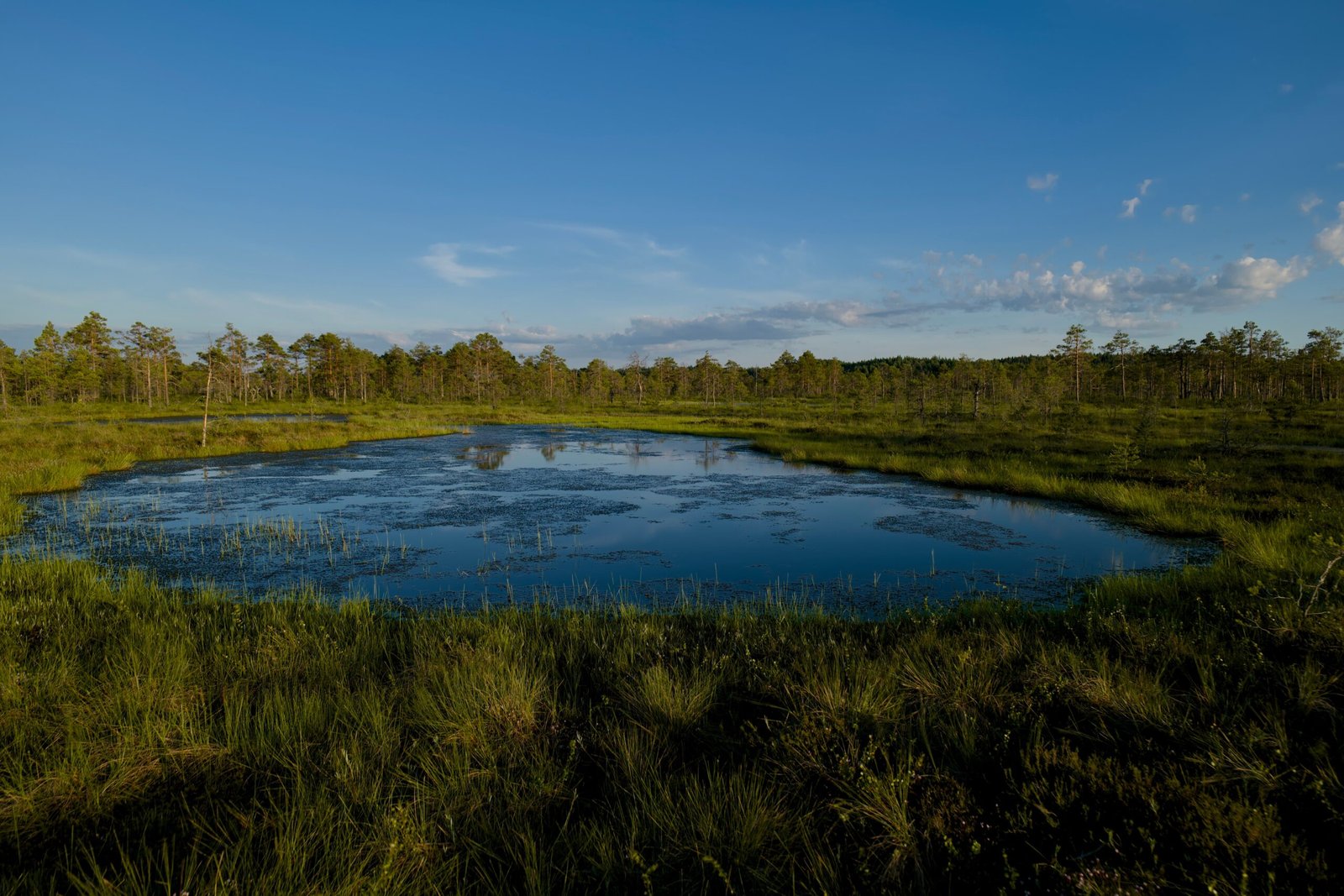
These plants either float on the surface or have leaves that float while their roots stay in the bottom. Examples are water hyacinth, water-lily, and duckweed.
Plant and Weed Identification
These categories can help you figure out which types of weeds you have. For more details, check out our links page.
Aquatic Plant Identification
Submersed
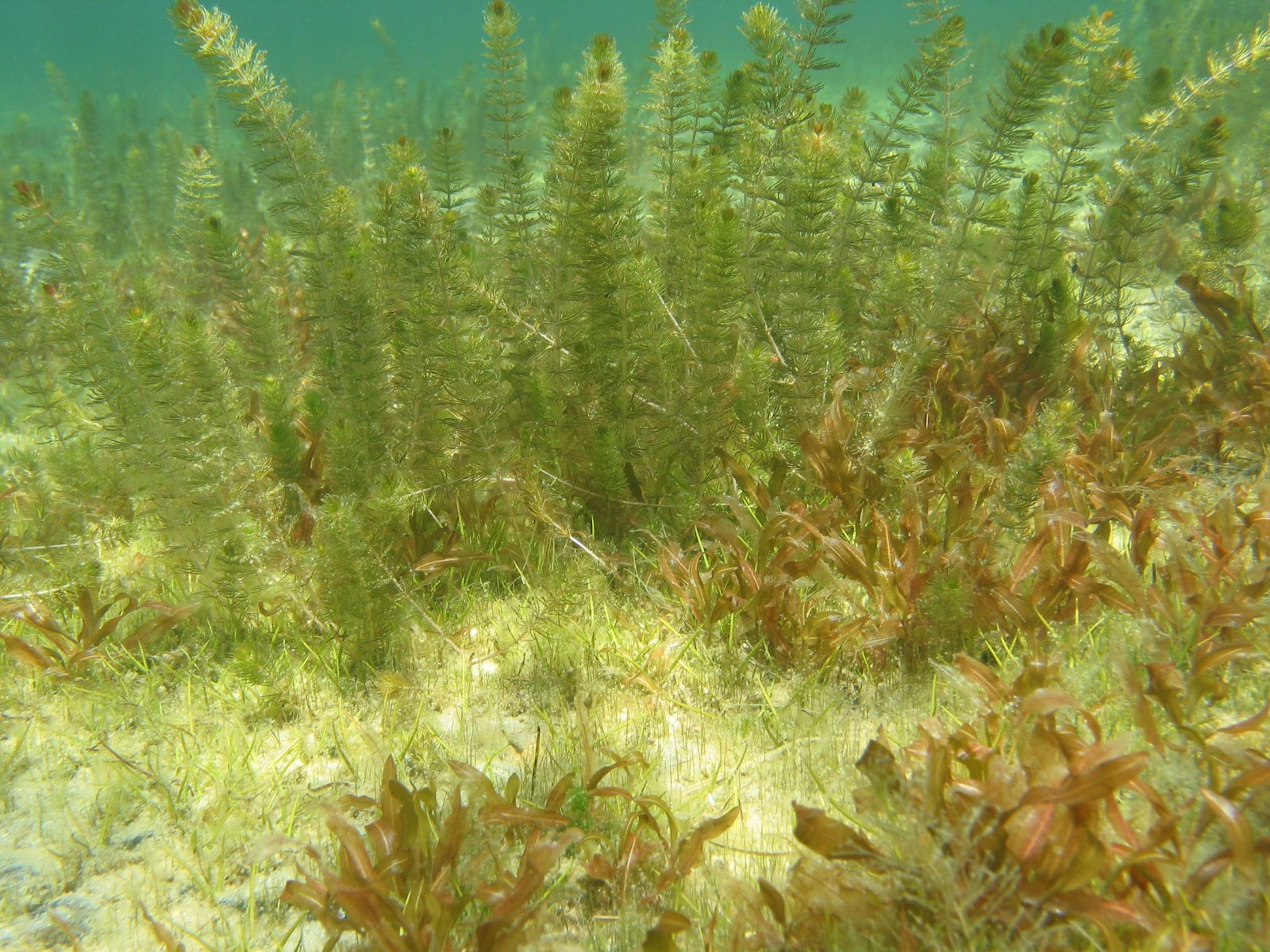
These plants are completely underwater and are generally rooted in the bottom of the lake or pond. This group includes many introduced or nuisance species that can grow prolifically and are considered to be problematic.
Emergent
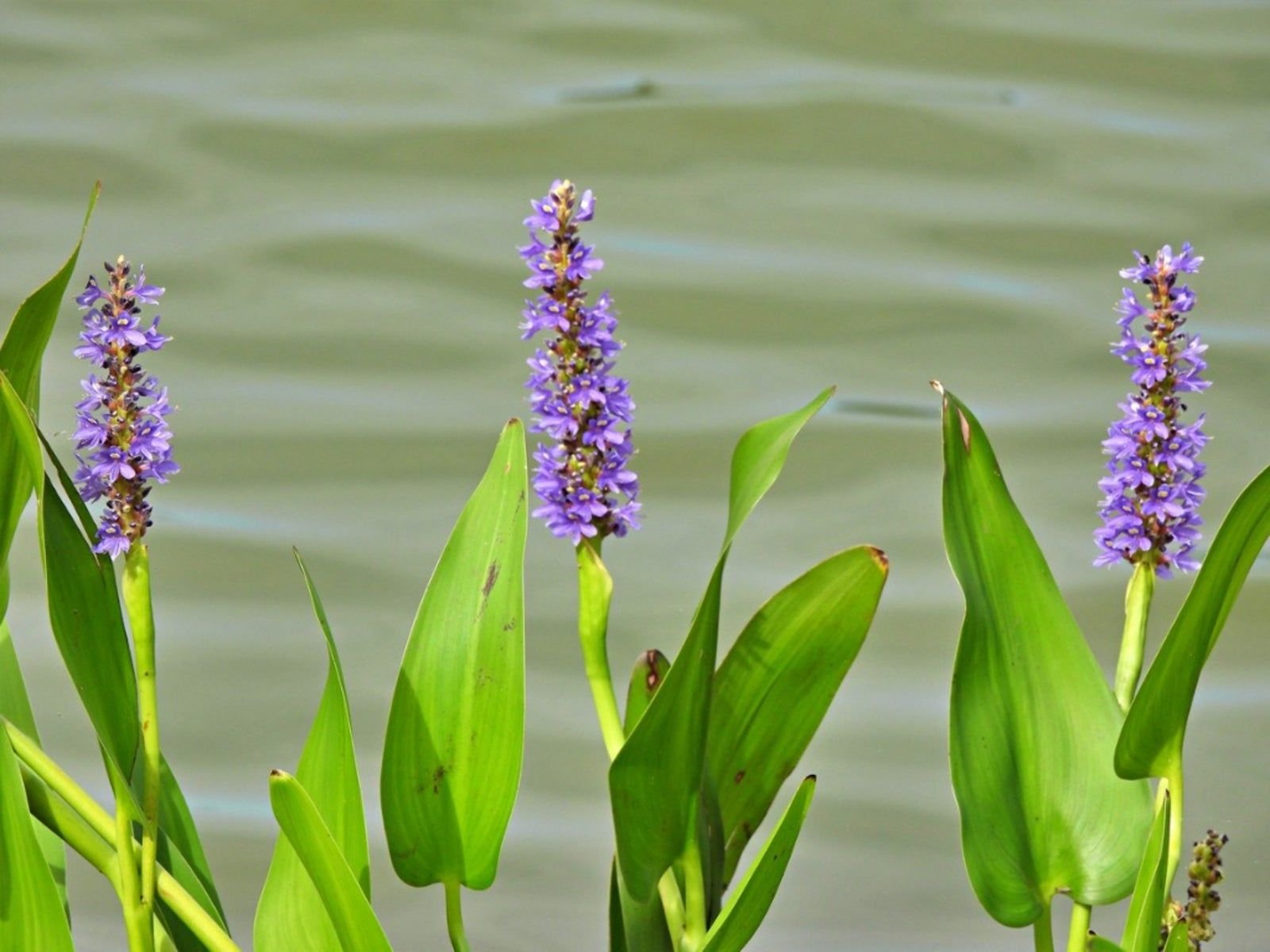
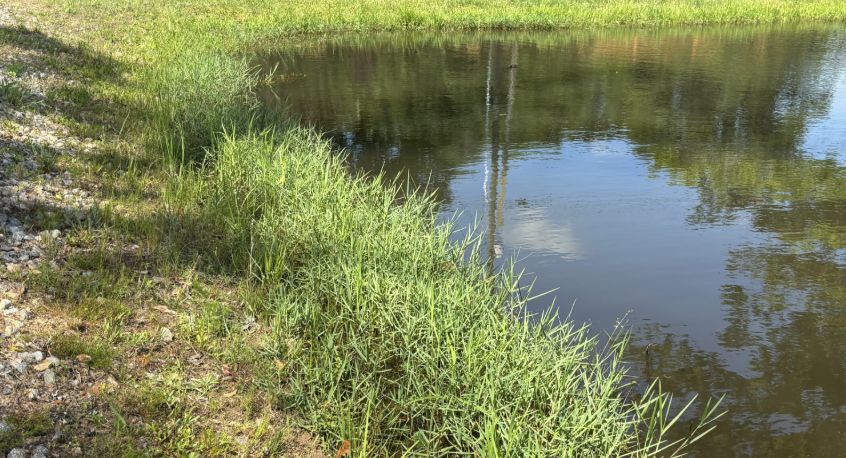
These plants have most or all of their leaves and flowers above the water or along the shoreline. They are also called shoreline or wetland plants and grow in shallow water. Examples are arrowhead, and pickerelweed.
Algae
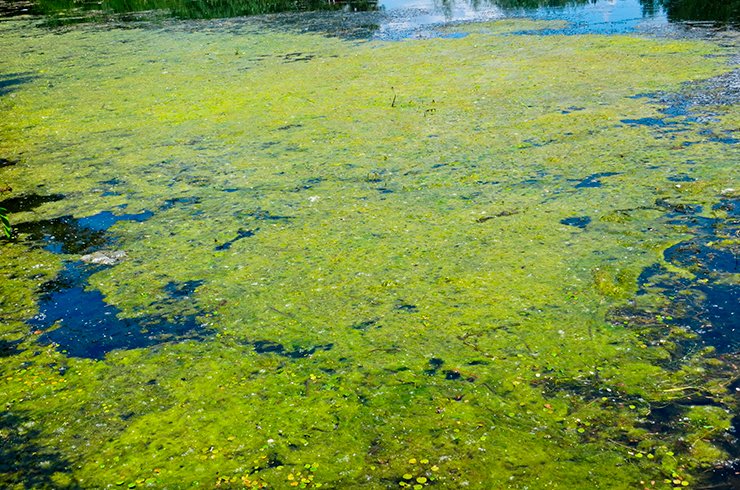
Algae are single-celled or multi-celled plants that do not have real stems or tissues. People often call them pond scum or slime. There are several types of algae. Planktonic algae are single cells or small groups that float in the water and can make it look green, brown, or red. Filamentous algae are made of long threads. Macrophytic algae are bigger and have many branches, looking like underwater weeds.
Temperature
In summer, shallow ponds can reach 90 degrees or higher, accelerating plant growth. Algae may reproduce every four hours, and submersed weeds can grow an inch per day. Without treatment, ponds can quickly become overgrown. We recommend monthly herbicide treatments to control growth, with additional treatments as needed during summer.
Depth of water in the lake or pond
Light is essential for plant growth. In water less than four feet deep, light can reach the bottom, promoting excess plant growth or “blooms.” Shallower water also heats up faster, contributing to blooms. Deeper lakes may still experience blooms, typically along the shallower edges. We use food-grade, non-toxic aquatic dyes to limit light penetration. Deep blue dye is preferred, as its darker color reduces light entry. Dyes are also used in clear water deeper than four feet, since clearer water allows more light to penetrate.

Aeration Systems and Water Circulation
Water circulation improves water quality by mixing the entire pond or lake, preventing stagnant areas with low oxygen levels. This can be achieved by installing aeration systems, such as aerator fountains or diffusers.
Deter Erosion
When lake and pond shorelines erode, they can create shallow areas that may contribute to increased blooms. It is important to stabilize shorelines to help deter erosion. This can be done by hydro-seeding, laying sod, or adding rocks or riprap. If you have shallow shelves, consider planting native aquatic plants to absorb runoff nutrients and improve the appearance of your lake or pond. We provide free evaluations and price quotes.
Lake & Pond Problem Factors
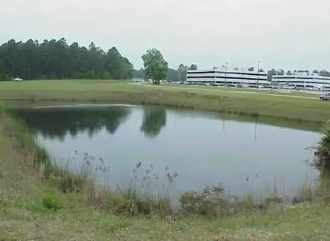
Each pond and lake is a unique ecosystem, and even nearby ponds may experience different issues. Understanding the causes and interrelated factors is essential, as we create custom solutions for lake and pond problems.
Excess Nutrients
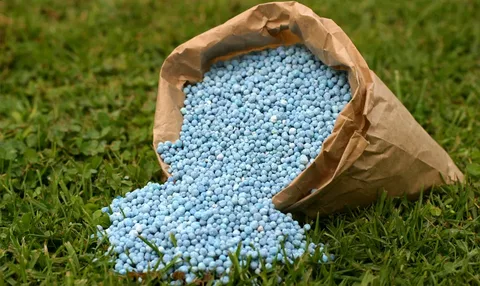
Nutrient loading can come from many sources, including the following
Fertilizer
Runoff
It can be hard to control runoff from nearby areas. Planting native aquatic plants on shelves near inflow pipes can help soak up extra nutrients.
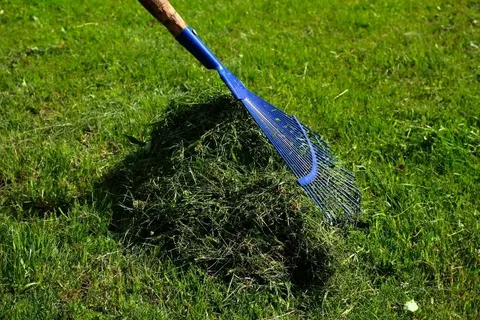
Grass Clippings
When moving near lakes and ponds, mow in a counterclockwise direction to help keep grass clippings away from the water. Never blow clippings into the water, onto curbs, or down storm drains and stormwater collection systems. Grass clippings contain nutrients and organic material that can contribute to excess plant and algae growth. Keeping them out of local water bodies is a simple but effective way to protect water quality and maintain a healthier lake or pond.
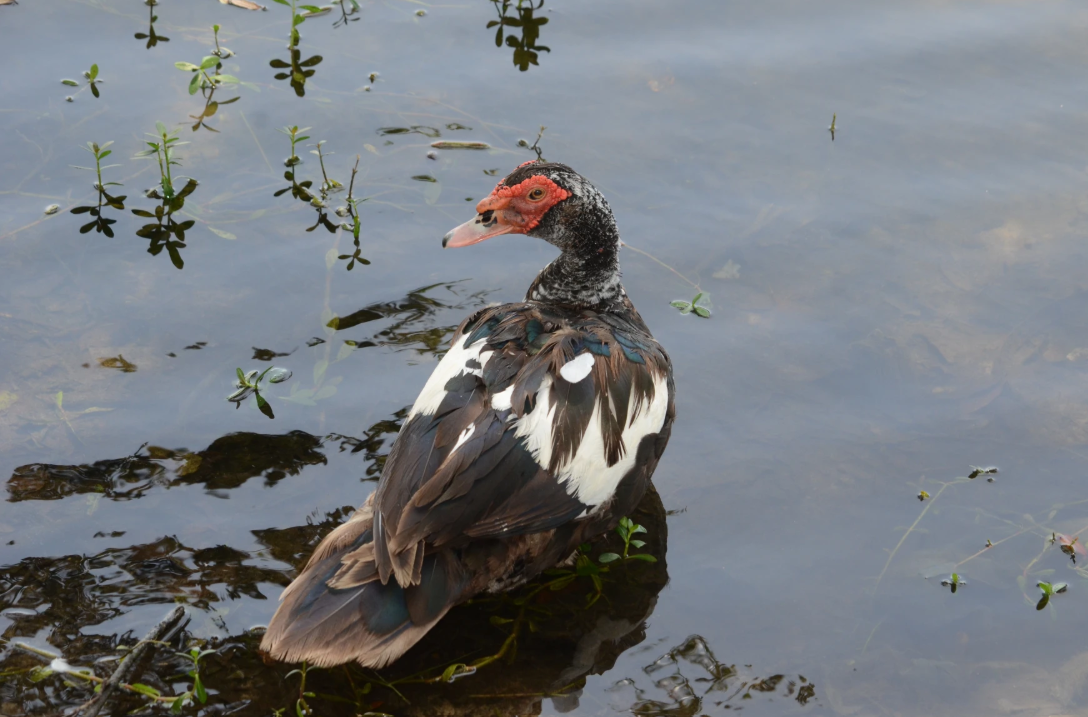
Excess Waterfowl
Ducks and geese make ponds look nicer, but their waste adds nitrogen, which helps plants grow. Too many waterfowl can lower water quality and cause blooms. Migrating birds can also bring in unwanted weeds and plants, and this cannot be stopped.
Excessive Noxious Plant Growth
Too much harmful plant growth happens because of a mix of the factors mentioned above.